Posted on Leave a comment

Is Renting Better for Beginners?

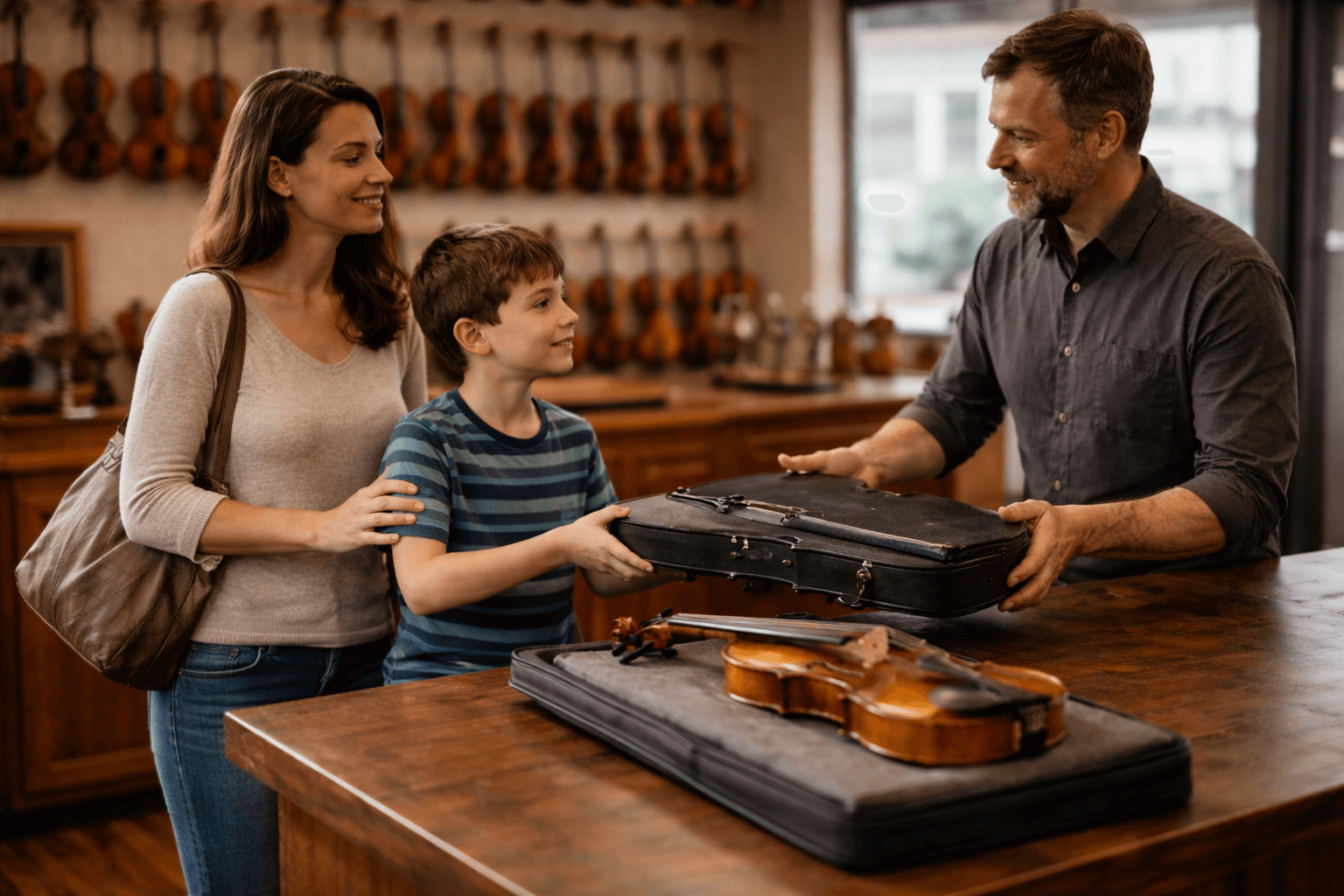
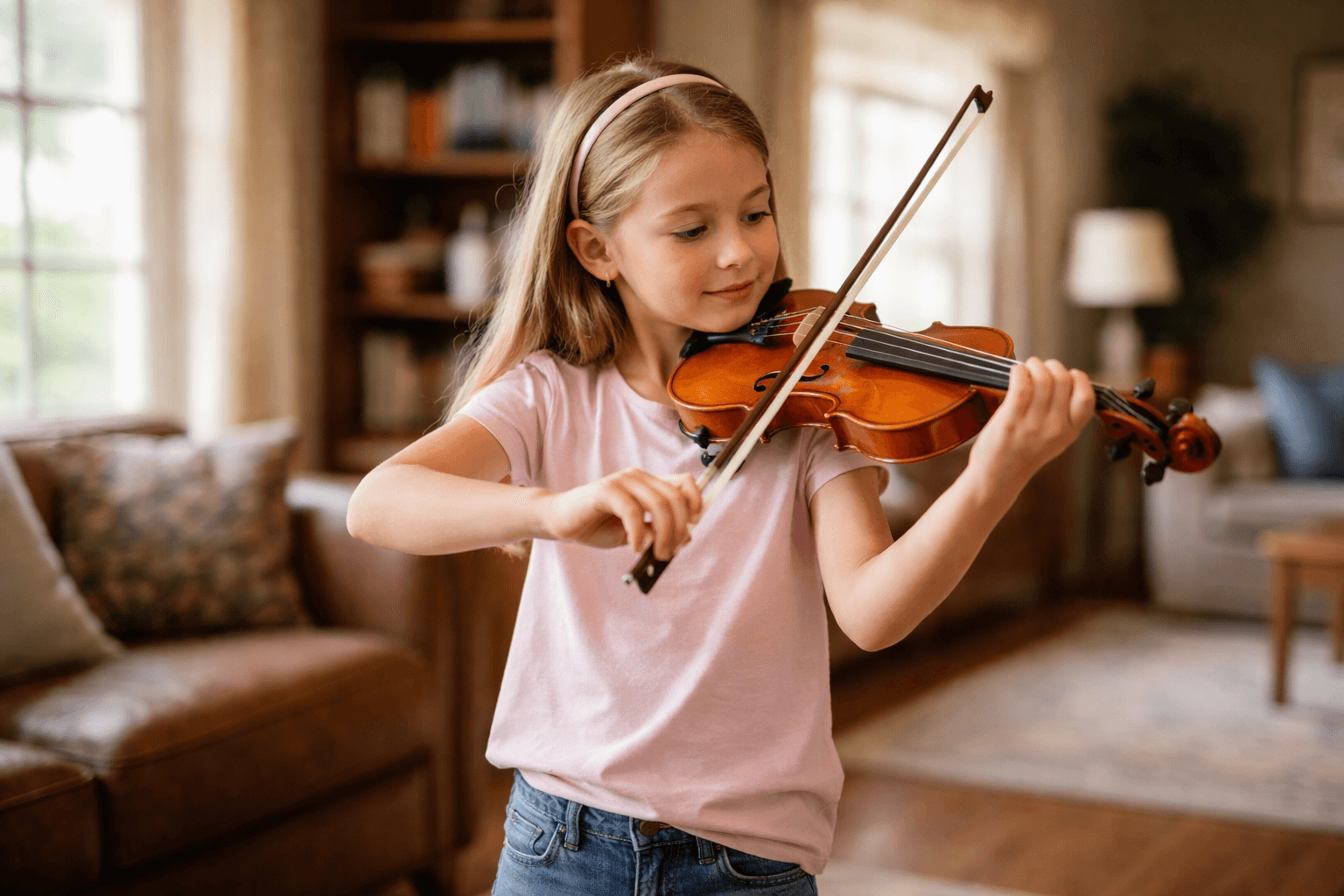
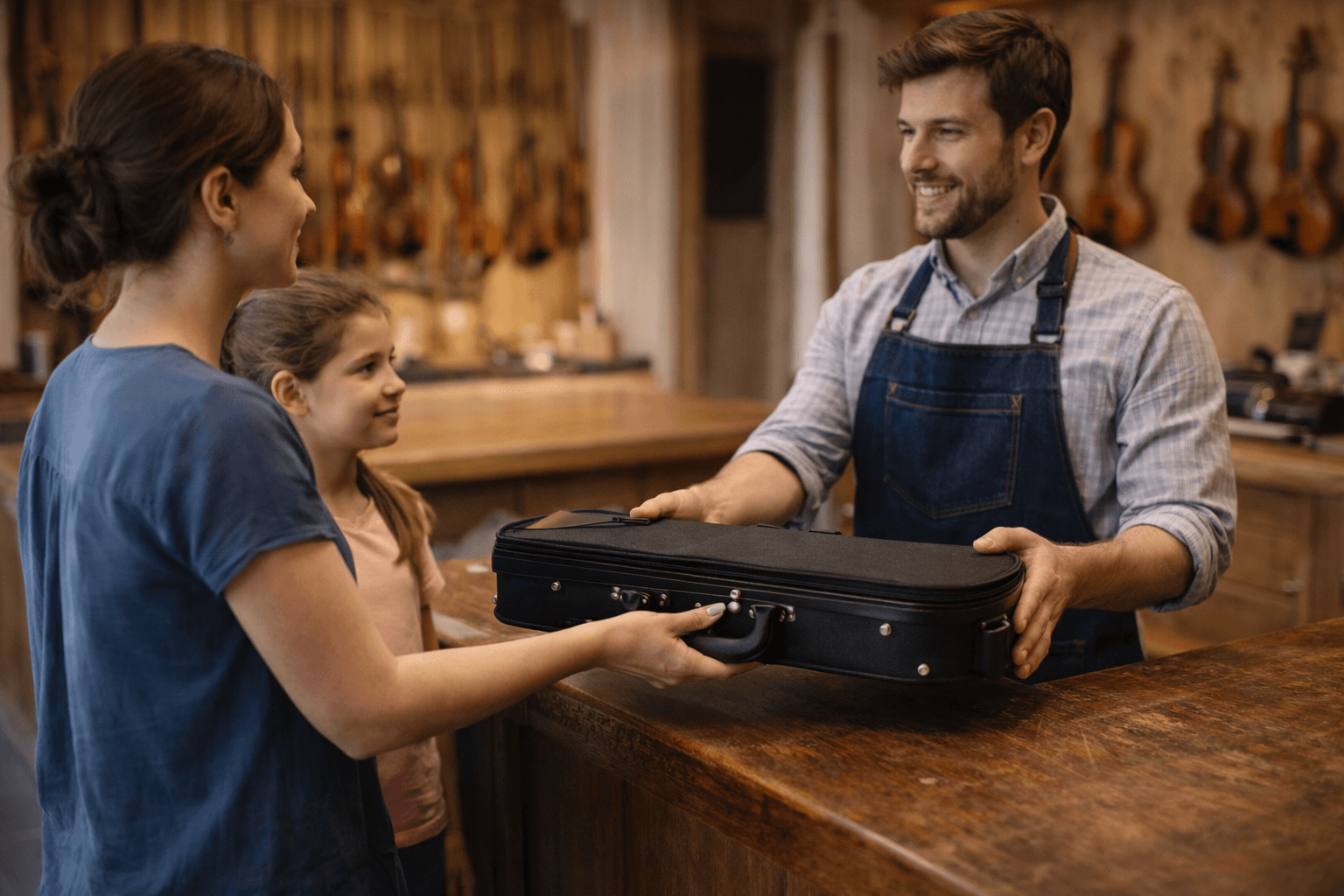
When parents are preparing for their child to start orchestra, one of the most common questions they ask is whether renting an instrument is better than buying one outright. It’s a fair question. Renting may be unfamiliar, and many families wonder whether they are simply delaying an inevitable purchase.

For most beginner students, especially those just starting school orchestra, the facts point clearly in one direction. Renting is usually the best option, not because buying is wrong, but because renting removes many of the risks and unknowns that come with the early stages of learning a string instrument.

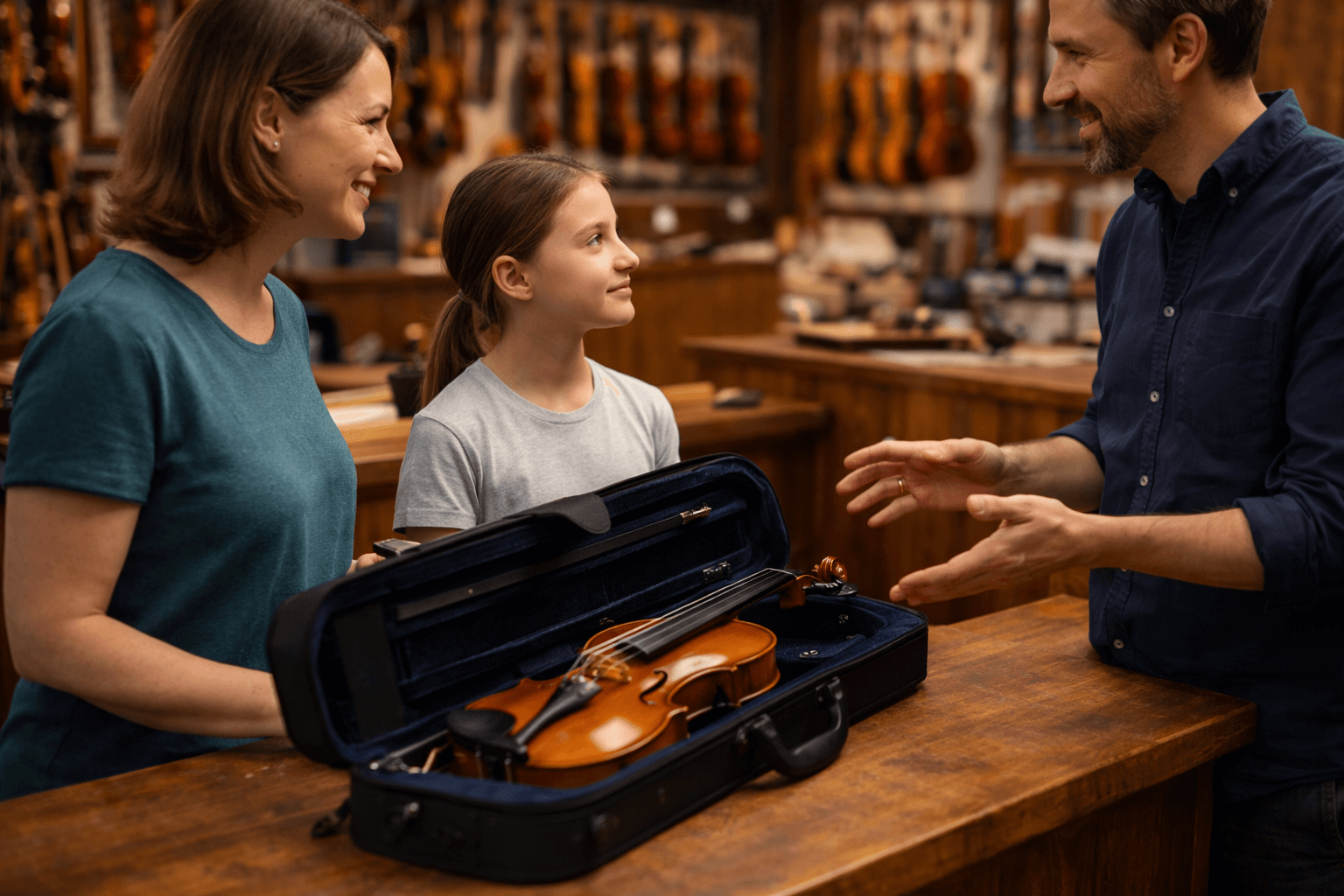
At Northland Violins And Von’s Violin Shop, our rental program is designed specifically around the realities of beginner students and their families.

Beginners Change Quickly — Renting Keeps Up

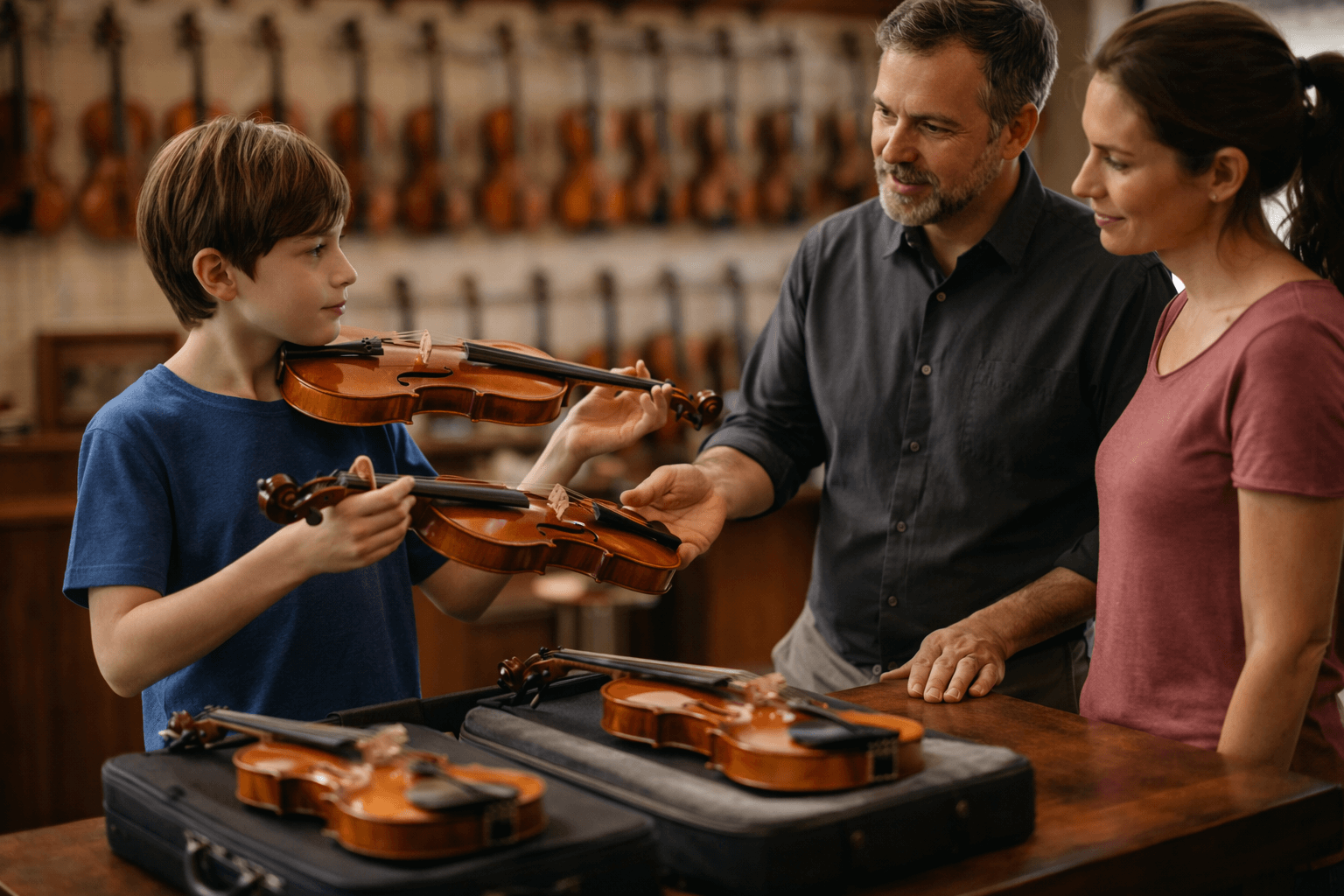
One of the biggest challenges for beginner students is growth. Children grow at unpredictable rates, and orchestral string instruments must fit the player properly. An instrument that is the right size this year may be physically uncomfortable or even unusable next year.

Renting solves this problem immediately. When a student grows, the instrument can be exchanged for the appropriate size without the stress of reselling or replacing a purchased instrument. This flexibility alone is often reason enough for families to choose renting at the beginning.

Buying an instrument too early often leads to paying twice (or more): once for the initial purchase, and again when the student outgrows it.

Renting Reduces the Risk If a Student Changes Direction

Another reality of school orchestra is that not every student continues long-term, even if they start with enthusiasm. Some students discover a passion for music, while others decide after a year that their interests lie elsewhere.

Renting allows families to support exploration without making a large financial commitment before that passion is clear. If a student decides not to continue, the rental can simply be returned. There is no pressure to resell an instrument or worry about whether it will retain value.

This flexibility is especially important for parents navigating new extracurricular activities and busy schedules.

Maintenance and Repairs Are Not a Family Burden

String instruments require regular care. Pegs can slip, strings wear out, and accidents happen. For families who purchase an instrument early, these responsibilities fall entirely on them.

With a rental, instrument maintenance is part of the experience. If something isn’t working correctly, Northland Violins can address the issue. Parents don’t have to guess whether a problem is normal or whether a repair is needed. They simply bring the instrument in and let professionals handle it.

This is a major source of peace of mind for families who are new to orchestra.

Optional Insurance Provides Complete Protection

Instruments are meant to be used, transported, and practiced with regularly. Because of that, accidents can and do happen. Northland Violins offers optional rental insurance for an additional $5 per month, which covers the instrument completely.

With insurance, families don’t have to worry about unexpected repair or replacement costs. If something happens to the instrument, it is taken care of. This coverage allows students to practice confidently and parents to relax, knowing they are protected from surprise expenses.

Renting Allows Time to Discover a Student’s True Needs

When students first begin, they are still discovering how they relate to their instrument. Some students progress quickly and develop strong preferences. Others take time to build confidence and coordination.

Renting provides time to observe how a student develops without rushing into a purchase decision. After a year or two of playing, parents and teachers have a much clearer sense of the student’s commitment, physical needs, and musical direction.

At that point, buying an instrument becomes a confident decision rather than a guess.

Buying Usually Comes Later — When It Makes Sense

Buying an instrument is often the right step once a student has demonstrated a genuine passion for playing and is ready for long-term ownership. By then, the family knows that the student is committed, size changes are more predictable, and the student can truly benefit from owning an instrument.

Renting first does not delay progress. In fact, it often leads to better outcomes because the eventual purchase is informed by experience rather than speculation. Also, each month’s rental payment accrues credit toward the later purchase of the instrument.

Renting Supports Learning, Not Pressure

One of the most important advantages of renting is that it removes pressure from the early stages of learning. Students are free to focus on fundamentals, parents are free to ask questions, and teachers can guide development without equipment limitations getting in the way.

Northland Violins’ rental instruments are professionally prepared and ready to play. They come with everything a student needs to begin, and support is available whenever questions arise.

The Bottom Line for Beginner Families

For most beginner students, renting is not a compromise. It is a practical, flexible, and thoughtful starting point that accounts for growth, changing interests, maintenance needs, and financial considerations.

Renting allows families to support their child’s interest in music without locking into decisions too early. When the time is right to buy, families are better informed and far more confident in their choice.

Learn More About Renting at Northland Violins

If you’re considering renting an instrument and want to understand how the process works, we invite you to learn more. You’re welcome to call, email, or come in with questions. We’re happy to explain options, help with sizing, and make sure you feel comfortable every step of the way.

Starting orchestra should feel exciting and manageable. Renting is often the simplest way to make that happen.

Posted on Leave a comment

Choosing the Right Case: Protection Options for Your Instrument

An instrument case is not just something to carry an instrument from one place to another. It is a critical piece of protection that shields a violin, viola, cello, or bass from impacts, pressure, and environmental changes that can cause serious damage. For students especially, cases play a major role in preventing broken seams, cracked tops, and costly repairs.

At Von’s Violin Shop, we sell cases for violins, violas, cellos, and double basses, ranging from basic student cases to high-end professional and tour-grade protection. Understanding how cases differ, and what those differences actually mean in real-world use, helps families make smart choices instead of overbuying or under-protecting an instrument.

Why Instrument Cases Matter More Than Most People Realize

String instruments are built to resonate freely. Thin plates of wood are held together with traditional hide glue, which is strong but intentionally reversible. This construction is what allows instruments to sound the way they do—but it also makes them sensitive to shock, pressure, temperature swings, and humidity.

A good case reduces all of those risks. It absorbs impact when a case is bumped or dropped, resists crushing pressure in crowded hallways or car trunks, and creates a buffer against rapid environmental changes. Over time, the right case can prevent repairs that cost far more than the case itself.

The Standard Student Case: Cloth-Covered Wooden Construction

For most violin and viola students, the standard starting point is a cloth-covered wooden case, and for good reason. These cases use a rigid wooden shell that provides real structural protection, wrapped in durable fabric to keep weight reasonable and resist everyday wear.

Inside, they are padded to support the instrument properly, especially at the neck and scroll, which are common damage points. This style of case strikes a balance between affordability, protection, and usability, making it ideal for daily school use. It is the most common recommendation for beginning and intermediate students.

In terms of cost, violin and viola student cases typically fall in the low hundreds, depending on construction quality and features.

Shaped vs. Oblong Violin and Viola Cases

Violin and viola cases generally come in two familiar shapes: contoured (often called shaped) and oblong.

Shaped cases follow the outline of the instrument itself. They are more compact, easier for students to maneuver through doors and school hallways, and often slightly lighter. For younger students or anyone carrying an instrument frequently, this simplicity is often a major advantage.

Oblong cases are rectangular and offer more interior space. They allow for larger accessory compartments, more bow storage, and sometimes additional padding around the instrument. While they are bulkier, some advancing students prefer oblong cases because of the extra storage and organization they provide.

Neither option is inherently better. The right choice depends on how the instrument is carried and what the player needs to bring with them.

Lightweight and Composite Cases

As students advance, many families begin looking for cases that reduce weight while maintaining protection. This is where cases made from ABS plastic, polycarbonate, or composite materials come into play.

These cases are often lighter than traditional wooden cases and frequently use suspension-style interiors that keep the instrument from resting directly against the shell. This design helps protect against impact by allowing the case to absorb shock rather than transferring it directly to the instrument.

Cases in this category generally cost several hundred dollars and are often associated with well-known manufacturers such as BAM or GEWA. While specific models may vary in availability, Northland can usually source a particular case if a customer has a specific preference.

Cello Cases: From Padded Bags to Hard Protection

Cellos present a unique challenge due to their size and weight. Most student cellos come with padded cello bags, which are practical, lightweight, and easy to carry. These bags work well for short trips, school use, and careful handling.

For students who transport their cello frequently, or for families who want additional protection, hybrid cello cases are a popular upgrade. Hybrid cases combine rigid structural elements with padded exteriors, offering more protection than a bag without the weight and bulk of a full hard shell.

Hard shell cello cases provide the highest level of protection but are heavier and more expensive. They are most often chosen by advanced students, serious players, or anyone who travels regularly with their instrument.

Double Bass Cases: Practical First, Upgrade When Needed

For double basses, padded bags are the standard starting point, and that is what comes with student basses at Northland Violins. A quality padded bass bag offers reasonable protection, reinforced handles, and backpack straps while remaining manageable in size and weight.

As bass players advance, some choose to upgrade to more protective options, especially if they travel frequently or transport the instrument long distances. Reinforced, hybrid, or hard-shell bass cases exist for these situations, though they are larger, heavier, and significantly more expensive.

Most students do perfectly well with a good padded bag, upgrading only when their playing demands it.

Professional and Tour-Level Cases

At the highest end of the spectrum are professional and tour-grade cases designed for extreme transport conditions. These cases use advanced materials, reinforced edges, and highly engineered interiors to protect instruments during frequent travel or shipping.

Manufacturers such as Musafia, BAM, and others are often associated with this tier. These cases can cost anywhere from the high hundreds into the several-thousand-dollar range, depending on construction and features. They are typically chosen by professional musicians or players with valuable instruments who need maximum protection.

Choosing the Right Case at Northland Violins

The best case is not the most expensive one. It is the case that matches how the instrument is actually used.

At Northland Violins, we help customers choose cases based on the instrument, the player’s age and experience level, how often the instrument is transported, and the environments it will be exposed to. Proper fit matters just as much as materials, and a case that does not support the instrument correctly can cause problems over time.

Final Thoughts

Instrument cases exist to solve real-world problems. From cloth-covered wooden student cases to professional tour-grade protection, each type serves a purpose. Understanding those purposes makes it easier to choose wisely and protect an instrument for years to come.

If you’re unsure what level of protection you need, bring your instrument into Northland Violins. We’ll help you find a case that fits properly and suits how you actually play and travel — not one that’s overkill or under-protective.

Posted on Leave a comment

What Instrument Should My Child Start On?

When a child shows interest in orchestra, one of the first questions parents ask is also one of the hardest to answer: Which instrument should my child start on?

It’s a reasonable concern. Most parents didn’t grow up playing orchestral strings, and many are unfamiliar with how violins, violas, cellos, and basses differ—or how children typically begin. The good news is that there is no single “right” answer, and there is far more flexibility than many families expect.

At Northland Violins and Von’s Violin Shop, we work with families whose children are starting orchestra. This is typically in elementary and middle school, as well as students who begin through private lessons. Our goal is to help parents understand the options clearly so their child can start on an instrument that fits both their interest and their physical needs.

Interest Matters More Than Student Size

One thing is absolutely certain: you cannot force a child to play an instrument they don’t want to play. Motivation plays a huge role in whether a student enjoys orchestra and sticks with it. A child who is excited about their instrument is far more likely to practice, participate, and progress.

While teachers may offer guidance or suggestions, the final choice always involves the family and the student. That choice should take the child’s interest seriously. If a child is strongly drawn to a particular instrument, that enthusiasm should be part of the decision. If little Suzy wants to play bass, she can. With instrument sizes down to as small as 1/8th regular size, almost any student can play any instrument they are called to.

Why Violin and Viola Are the Most Common Starting Instruments

Most beginning students start on violin or viola, and there are practical reasons for this. These instruments are widely used in school programs, available in many sizes, and easy to adapt as a child grows. Because they are smaller and lighter, they are often more manageable for younger students.

The violin is usually the most familiar instrument. Many children recognize it, and its role in orchestra is well established. The viola is very similar to the violin in how it is played, but it is slightly larger and produces a deeper, warmer sound. For students who like the idea of a richer tone, viola can be an excellent choice.

Violin and viola share the same basic playing technique. A student who learns viola can transition to violin, and vice versa, with a little effort, making either a flexible starting point. Basically the viola has the same strings as a violin except the high E is removed and replaced with a low C. The Violin has G, D, A and E strings, where the viola has C, G, D and A strings.

Understanding Cello and Double Bass as Starting Options

While violin and viola are the most common, cello and double bass are absolutely valid starting instruments for children who are drawn to them.

The cello while large, has the same exact strings as the viola. The cello uses the same tuning relationships as the viola, just lower, and produces a deeper, more resonant sound. Importantly, if a student can play viola, they can play cello. The left-hand logic and musical concepts transfer directly.

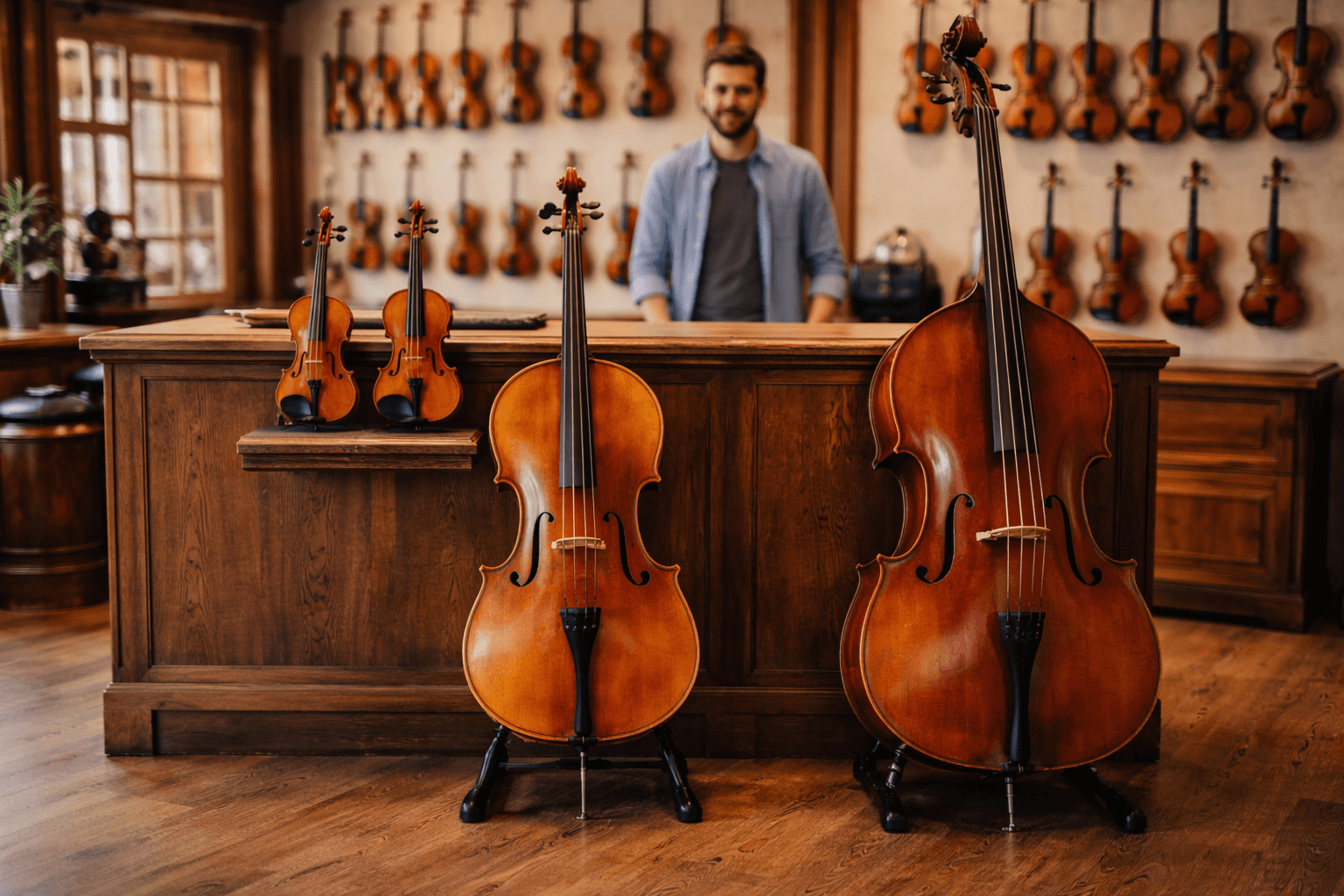
The double bass is the largest of the string instruments, but size alone should not rule it out. Fractional basses exist, just like fractional violins, violas and cellos. With sizes as small as 1/8 available, most children can be fitted with an instrument that works for their height and reach. Bass can be a wonderful choice for students who enjoy low sounds and strong rhythmic roles in music.

Physical Size and Fit Are Important—but Flexible

Parents often worry that their child is “too small” to start a particular instrument. In reality, modern fractional sizing makes it possible to find an instrument that fits almost any child. Violins, violas, cellos, and basses all come in a range of sizes designed for growing students.

That said, physical comfort does matter. An instrument should feel manageable, not overwhelming. At Northland Violins, proper sizing is part of the rental process, and instruments can be exchanged as a child grows. We will make sure your student walks out with an instrument that is sized for them. This flexibility removes much of the pressure from the initial decision.

Why Renting Is the Best Way to Start

For most families, renting is the best way for a child to begin. Renting allows students to try an instrument without committing to ownership before they know whether orchestra will become a long-term activity. It also makes size changes simple and stress-free as children grow.

Because Northland Violins specializes in instrument rentals, our rental program is designed specifically for students. Rental instruments are properly sized, professionally prepared, and come with everything needed to start playing right away. This approach lets families focus on learning and enjoyment instead of logistics.

Renting also gives families time to see how a child connects with their instrument. If a student later decides to switch instruments or move toward ownership, those decisions can be made with confidence and experience. In fact, each month’s rental gives credit toward purchase of the instrument.

One last advantage of renting, is insurance. For just $5 a month more, the instrument is fully covered. No matter what might happen (and somehow it usually does) your student’s instrument is fully covered for repair. No extra cost!

The Role of Teachers and Private Instructors

If a child is already enrolled in a school orchestra program or taking private lessons, the teacher should be part of the conversation. Teachers can offer insight into how an instrument choice might fit the program and the student’s strengths.

That said, teachers and violin shops play complementary roles. Teachers understand musical development and classroom needs, while Northland Violins focuses on proper sizing, instrument fit, and making sure students leave with equipment that works exactly as expected.

Making the Decision Feel Less Overwhelming

Choosing a first instrument doesn’t need to feel intimidating. The most important factors are the child’s interest, a comfortable physical fit, and starting with a rental that allows flexibility. There is no irreversible choice being made. Many students switch instruments later, and that is perfectly normal.

What matters most is starting with an instrument that encourages curiosity and enjoyment.

Learn More or Get Started

If you’re unsure which instrument your child should start on, we’re here to help. You’re welcome to learn more, call us, email us, or come in to talk through the options in person. We’re happy to answer questions, help with sizing, and explain how renting works so you can make a decision with confidence.

Starting orchestra should feel exciting, not stressful. At Northland Violins, that’s exactly what we aim to support.

Posted on Leave a comment

What’s Included with an Instrument Rental at Northland Violins?

When parents are preparing for their child to start orchestra, one of the most common concerns is not the music itself, but the logistics. Families want to know what they need to buy, what they might be forgetting, and whether they are about to walk out of the shop with only part of what their student actually needs.

That concern is completely understandable. For many families, renting an instrument is unfamiliar territory, and the last thing anyone wants is a surprise purchase a week later because something essential was missing.

At Northland Violins, our rental program is designed to remove that uncertainty. When you rent an instrument, it comes ready to play, with all of the basic accessories included so students can focus on learning music, not on assembling everything they’ll need.

A Complete, Ready-to-Play Rental Package

Every rental instrument from Northland Violins includes the core items required for daily playing and care. Families do not need to guess what to buy separately or worry that something important has been overlooked.

Each rental includes an appropriately sized instrument that has been professionally inspected, set up and prepared before it leaves the shop. Along with the instrument itself, the rental also includes a properly matched bow, a protective case, a cleaning cloth, and rosin. These items are essential for playing, maintaining the instrument, and transporting it safely to and from school.

For violins and violas, a shoulder rest is also included as part of the rental. Shoulder rests are not optional accessories for most students; they are an important part of holding the instrument correctly and comfortably. Including them ensures that students can develop proper posture and technique from the beginning, without parents having to guess which model to buy.

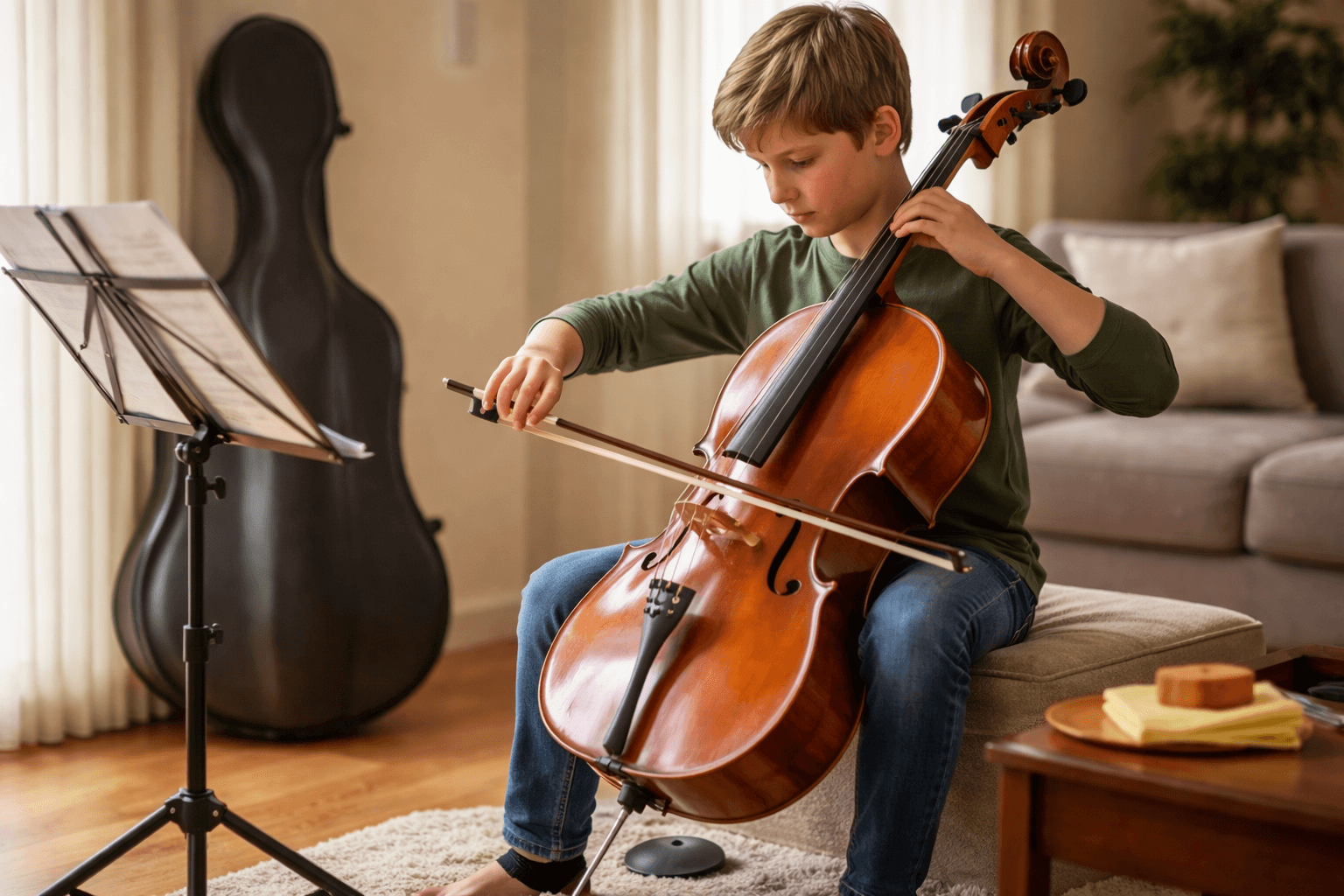
For cellos, the rental includes a rock stop, which is used to keep the endpin from sliding on the floor. This small but critical accessory prevents the cello from sliding during playing, making it much easier for students to focus on bowing and finger placement rather than fighting to keep the instrument in position.

Why These Items Matter for Beginners

Beginning string players already have a lot to think about. Learning how to hold the instrument, how to use the bow, how to read music, and how to coordinate both hands at once is challenging enough without missing equipment creating additional obstacles.

A properly sized case protects the instrument during daily transport, which is especially important in school hallways and car rides. A matched bow ensures the student can produce sound reliably without unnecessary effort. Rosin allows the bow hair to grip the string correctly, and the cleaning cloth helps prevent rosin buildup that can damage the instrument’s finish over time.

Including these items as part of the rental means families can feel confident that their student has what they need from the very first day.

Thoughtfully Prepared Instruments

Rental instruments at Northland Violins are not pulled from a shelf and handed out without care. Each instrument is checked to make sure it is in good playing condition before it goes home with a student. This attention to preparation helps avoid common beginner frustrations such as slipping pegs, poor string response, or uncomfortable setups.

The goal of the rental program is to support learning, not to introduce avoidable problems. A well-prepared instrument allows students to focus on developing skills rather than compensating for equipment issues.

Designed for Students and Families

While parents of school orchestra students are the most common renters, Northland Violins also rents instruments to adult beginners. Adults often appreciate the same things parents do: simplicity, clarity, and knowing that everything needed to start playing is included.

Whether the renter is a third-grade violinist or an adult returning to music later in life, the rental package is designed to remove guesswork and reduce stress.

Optional Insurance for Peace of Mind

Instruments are meant to be played, transported, and used regularly, which means accidents can happen. Northland Violins offers optional instrument insurance for rental instruments. This insurance provides additional peace of mind by helping protect families from unexpected repair or replacement costs. We do all repairs at our Denver store Von’s Violin Shop

Details about insurance coverage can be found on our website, and staff members are happy to explain how it works if you have questions.

Keeping the Focus on Learning

The purpose of an instrument rental is not just to provide an instrument, but to support a positive learning experience. When all of the necessary accessories are included, students can focus on lessons, practice, and progress rather than equipment problems.

Parents can feel confident knowing that their child’s rental is complete, appropriate, and ready for use.

Learn More or Get Started

If you’re considering renting a violin, viola, cello, or bass, we invite you to learn more about Northland Violins’ rental program. You’re welcome to stop by, call us, or send an email with any questions you may have. Our staff is happy to explain the process, help with sizing, and make sure you feel comfortable before moving forward.

Renting an instrument should feel straightforward and supportive. At Northland Violins, that’s exactly how we’ve designed it.

Posted on Leave a comment

Should I Rent or Buy My Student’s Instrument?

If your student is starting orchestra, one of the very first questions you’ll face is simple, but important:

Should I rent an instrument, or should I buy one outright?

There’s no single answer that fits every family, but for most beginning students, renting first is usually the smartest, lowest-risk choice. Here’s why.

Why Renting Makes Sense for Most Students

1. Renting Lets You Try Before You Commit

Many students are excited to start orchestra—but not all of them stick with it long-term. Renting gives your student the chance to explore music without a large upfront investment. If orchestra turns out not to be the right fit, you’re not left with an expensive instrument sitting in a closet.

2. Your Rental Payments Build Toward Ownership

At Northland Violins, renting isn’t money “thrown away.”

The First 18 months you rent any instrument, you earn credit toward purchasing that same type instrument. If your student decides to continue, the first 18 rental payments can be applied directly toward buying it. In other words, renting becomes a path to ownership, not a dead end.

3. Growing Students Need Growing Instruments

Young musicians grow—sometimes faster than expected.

When you rent from Northland Violins, instrument size changes are included at no extra charge. If your student outgrows their current violin, viola, cello, or bass, you can trade it in for another size without paying exchange fees.

That flexibility alone saves many families hundreds of dollars over time.

What About Damage? (Because Accidents Happen)

Let’s be honest: instruments get bumped, dropped, and occasionally… run over.

For just $5 more per month, you can add full instrument insurance(excluding Strings) to your rental. That coverage means:

  • Accidental damage is fully covered
  • Von’s Violin Shop repairs rental instruments
  • Repairs or replacements cost you nothing
  • Even extreme accidents—yes, including a parent accidentally running over the instrument with the family car—are covered

When something happens, the instrument is repaired or replaced free of charge, no arguments, no panic. We have literally had parents return splinters to us and leave with a fully playable instrument.

When Buying Might Make Sense

Buying an instrument outright can make sense if:

  • Your student is older and physically done growing
  • They’ve already been playing for several years
  • A teacher recommends upgrading to a higher-level instrument

Even then, many families still start with renting and transition to purchasing once the student’s commitment and size are stable. Typically, it is time to buy an instrument when the student has attained enough proficiency with the instrument, that it is the quality of the instrument holding them back.

The quality of an instrument (and bow) can be heard when a skilled musician plays them. When the time is right, Northland Violins sells instruments from rental quality dollars, to tens of thousands of dollars, so your musician can find the perfect instrument for them. When that time comes, your musician can take the time they need, and play as many instruments as they need, to make the best choice for them.

The Bottom Line

For most beginning orchestra students, renting offers flexibility, protection, and peace of mind:

  • Rental payments* count toward ownership
  • Free size exchanges as your student grows
  • Optional insurance for real-world accidents

Renting removes the biggest risks while keeping every option open.

Recommended next step:
If your student is just getting started, talk with Northland Violins about rental options and sizing before making a purchase decision. Email, call or walk in and tell us what you need. We will do our best to provide you with the perfect instrument for your student, no matter where they are in their musical journey.

Posted on Leave a comment

How Do I Know What Size Instrument My Student Needs?

Choosing the correct size instrument is one of the most important steps in setting a student up for success in orchestra.

An instrument that’s too big can cause discomfort, poor technique, and frustration. One that’s too small can limit tone and progress. The good news is that string instruments come in fractional sizes, and there are clear, reliable ways to determine the right fit.

Below is a breakdown by instrument.

Why Proper Instrument Size Matters

The correct size allows a student to:

  • Hold the instrument comfortably
  • Use proper posture and hand position
  • Reach notes without strain
  • Develop good habits that prevent injury

This is especially important for younger students, who will likely need to change sizes as they grow.

Violin Size Guide

Violins come in the widest range of fractional sizes, making proper sizing especially important.

Common violin sizes

  • 1/16
  • 1/10
  • 1/8
  • 1/4
  • 1/2
  • 3/4
  • 4/4 (full size)

How violin sizing works

The most common method is the arm-length test:

  • The student holds the violin under their chin
  • The left arm is extended
  • The fingers should comfortably reach around the scroll without locking the elbow
  • The elbow should make a 90 degree angle

Age is only a rough guideline. Two students of the same age can require very different sizes. https://www.northlandviolins.com can help you with any instrument sizing.

Viola Size Guide

Violas are sized differently than violins and are measured by body length, not fractions.

Common viola sizes

  • 12″
  • 13″
  • 14″
  • 15″
  • 15.5″
  • 16″

How viola sizing works

Viola sizing depends on:

  • Arm length
  • Hand size
  • Overall comfort

Unlike violins, there is no “one-size-fits-all” full-size viola. Many adult players use different sizes depending on comfort and reach.

Cello Size Guide

Cellos are large instruments, so proper sizing is critical for posture and safety.

Common cello sizes

  • 1/10
  • 1/8
  • 1/4
  • 1/2
  • 3/4
  • 4/4 (full size)

How cello sizing works

When seated:

  • The endpin should allow the cello to rest against the chest
  • The peg of the C string (top left peg) should be near the ear
  • Knees should comfortably contact the sides of the cello

A student should never have to hunch or stretch to play.

Double Bass Size Guide

Double bass sizing is the least intuitive and often surprises parents.

Common bass sizes

  • 1/4
  • 1/2
  • 3/4 (most common for students and adults)
  • 4/4 (rare and usually professional only)

How bass sizing works

Most students—including many adults—play a 3/4 bass. Height, arm length, and strength matter far more than age.

Bass sizing should always be confirmed in person whenever possible.

A visit to Northland Violins by the student (and their parents) will allow for a personal consultation, where the student can try different sized instruments before choosing the best one for their individual needs.

What If My Student Is Between Sizes?

When a student is between sizes:

  • Smaller is usually safer than larger
  • Comfort and reach matter more than age
  • Teachers and violin shops can help fine-tune the decision

Students grow quickly, which is why renting is often recommended in the early years.

A Note About Growing Students

Children typically move up instrument sizes every 12–24 months during early school years. This is completely normal.

When renting from Northland Violins, size changes are included at no charge. If a student outgrows an instrument, it can be exchanged for the correct size, making growth stress-free for families.

When in Doubt, Get Help

The best sizing decisions are made with:

Guessing or buying based on age alone often leads to frustration later.

Final Thoughts

The right size instrument makes learning easier, more comfortable, and more enjoyable. Proper fit supports good technique from day one and helps students stay confident as they progress.


Posted on Leave a comment

How Much Will It Cost to Rent My Instrument?

One of the most common questions parents ask when their student joins orchestra is straightforward:

How much is this going to cost each month?

The good news is that renting an orchestral string instrument is usually very affordable, especially compared to purchasing an instrument outright. Renting also provides flexibility as students grow and progress.

Below is a simple breakdown of what families can expect.

Monthly Rental Costs by Instrument

Rental prices vary by instrument size and type, but here are the starting monthly rates at Northland Violins:

  • Violin: starting at $25 per month
  • Viola: starting at $25 per month
  • Cello: starting at $45 per month
  • Double Bass: starting at $65 per month

These rentals are designed specifically for students and include properly set-up instruments suitable for school orchestra programs.

What’s Included in the Rental?

While exact details vary by instrument, rentals typically include:

  • The instrument itself
  • A bow
  • A protective case
  • A cleaning cloth
  • Rosin
  • Professional setup and maintenance
  • Shoulder rest for violins & violas

This ensures students can begin playing right away without additional upfront purchases.

Optional Instrument Insurance: $5 Per Month

Accidents happen—especially when instruments are being transported to and from school.

For just $5 per month, parents can add instrument insurance to the rental. This coverage means:

  • Accidental damage is fully covered
  • Repairs or replacement are provided at no charge
  • Even extreme accidents are covered (Like running over the instrument with your car)

If something happens to the instrument, it is repaired or replaced without added cost or stress.

For many families, this small monthly fee provides valuable peace of mind.

Why Renting Often Costs Less Than Buying

Renting helps families:

  • Avoid large upfront expenses
  • Adjust instrument size as students grow
  • Try orchestra without long-term commitment
  • Budget with predictable monthly payments
  • Credit toward purchase of the instrument.

For beginning students, renting is usually the most economical and flexible option.

A Note About Growing Students

Children frequently outgrow their instruments, sometimes faster than expected. When renting from Northland Violins, or Von’s Violin Shop size exchanges are included, allowing students to move to the correct size instrument as they grow without additional rental charges.

Final Thoughts

Renting an instrument keeps costs manageable while giving students access to quality instruments that fit properly and perform well. With clear monthly pricing and optional insurance, families can focus on their student’s musical growth instead of worrying about unexpected expenses.

Posted on Leave a comment

Instrument Repair at Northland Violins: Master Luthiers at your service!

When your violin, viola, cello, or double bass needs attention, the most important question isn’t what’s wrong — it’s who should work on it.

At Northland Violins, instrument repair is handled by experienced Master Luthiers at our Service Center inside Von’s Violin Shop who specialize exclusively in orchestral string instruments. Whether you searched for “luthiers near me” because a student instrument was damaged or because you found an older instrument that hasn’t been played in years, the first step is always the same: a professional evaluation by someone who understands how these instruments are built, repaired, and preserved.

An expensive instrument could be several hundred years old! Knowing that the person doing the repair can not only make the repair, but can make it invisible, is more important than you think. Any repair, will affect the instrument’s sound. The goal is to affect that sound as little as possible. We have encountered bad repairs, from decades ago, on valuable instruments. Such “butcher jobs” affect not only the instrument’s sound, but value. Our end goal, is that you get back a fully repaired instrument, with a repair that is as invisible as possible, without affecting the sound of the instrument.

Why a Master Luthier Matters for Instrument Repair

A luthier is not a general instrument technician. A luthier is trained specifically to work on bowed string instruments, understanding how wood, tension, glue, and setup all interact to affect sound and playability.

At Northland Violins, our Master Luthiers repair:

  • Violins
  • Violas
  • Cellos
  • Double basses
  • Bows

From routine adjustments to complex structural repairs, every instrument is evaluated individually. We will do repairs ranging from standing up a sound post inside the instrument, which can usually be done while you wait, for little cost, to complete rebuilding of the instrument, if the age and value of the instrument warrants that.

We can’t work miracles, but we try.

What Happens When You Bring an Instrument In

When you bring your instrument to Northland Violins, one of our Master Luthiers will examine it at no charge.

During this evaluation, we look at:

  • Structural condition
  • Setup and playability
  • Signs of damage or stress
  • Previous repairs
  • Whether the instrument is worth repairing

After the evaluation, you will know:

  • What the instrument needs
  • What the repair is expected to cost
  • How long the repair should take

If additional issues are discovered once work begins—such as hidden cracks or internal damage—we will always contact you first, explain what was found, discuss any added cost, and provide an updated timeline before moving forward.

Common Repairs We See

Some of the most common repairs handled by our luthiers include:

  • Open seams from temperature or humidity changes
  • Bridge adjustments or replacement
  • Soundpost resets
  • Peg fitting and peg repair
  • Fingerboard planing
  • Crack repair
  • Endpin and tailpiece work
  • Full setup adjustments

Some repairs are simple. Others require careful, time-intensive craftsmanship. Our focus is always on what the instrument actually needs — no more, no less.

Is Every Instrument Worth Repairing?

Not always — and we believe honesty here matters.

Some instruments are poorly made and they may look right but aren’t built in a way that responds well to repair. At the turn of the 20th century, Sears sold violins as low as $1.75, made in a factory. In almost every Estate Sale today, there will be “Grandpa’s Violin” and we understand these will be Family Antiques that are priceless to you. Tens of thousands were sold all over the U.S. If the cost of repair exceeds the value or usefulness of the instrument, we will tell you plainly.

Our goal is not to sell repairs — it’s to give you accurate information so you can make the right decision.

Found an Instrument That Hasn’t Been Played in Years?

Many customers come to us after finding an instrument that’s been stored away for decades. Sometimes these instruments need only basic setup work. Other times, they require more involved repair — and sometimes they aren’t worth repairing at all.

A professional evaluation by a Master Luthier is the only reliable way to know. If it’s not worth the repair costs, we’ll tell you, for free. If it is worth repairing, we will tell what it needs, how long it should take and what the cost will be.

Our Philosophy

At Northland Violins, our approach to repair is simple:

  • Honest evaluations
  • Skilled craftsmanship
  • Clear communication
  • Fair pricing

Our primary concern is giving the customer exactly what they need — and nothing they don’t.

Bring It In — We’ll Take a Look

If you have a string instrument — whether it’s one you’ve played for years or one that was hanging on a wall at Grandma’s house — bring it in.

One of Northlands’s Master Luthiers will look at it for free. If it needs work, we’ll tell you what it needs, what it will cost, and how long it will take. If it isn’t worth repairing, we’ll tell you that too.

That’s what you should expect when searching for luthiers near you.

Posted on

14 Reasons Why

14 Reasons Why

I’d like to share with you the article that I found on The Metropolitan School of The Arts Website. They list “14 Reasons Everyone Should Take Music Lessons”. I hope you find this list as interesting as I did.

1. INCREASE YOUR IQ
According to an article from The Telegraph online magazine, “New research suggests that regularly playing an instrument changes the shape and power of the brain and may be used in therapy to improve cognitive skills.” There is continually more evidence that musicians have organizationally and functionally different brains compared to non-musicians, especially in the areas of the brain used in processing and playing music. Some studies show that playing an instrument can increase your IQ up to 7 points.

2. INCREASE THE CAPACITY OF YOUR MEMORY
Research has shown that both listening to music and playing a musical instrument stimulate your brain and can increase your memory. A study was done in which 22 children from age 3 to 4 years old were given either singing lessons or keyboard lessons. A control group of 15 children received no music lessons at all. Both groups participated in the same preschool activities. The results showed that preschoolers who had weekly keyboard lessons improved their spatial-temporal skills 34 percent more than the other children. Not only that, but researchers said that the effect lasted long-term.

3. INCREASE MATHEMATICAL ABILITY
Reading music requires counting notes and rhythms and can help your math skills. Also, learning music theory includes many mathematical aspects. Studies have shown that students who play instruments or study the arts are often better in math and achieve higher grades in school than students who don’t.

4. IMPROVE READING COMPREHENSION
According to a study published in the journal Psychology of Music, “Children exposed to a multi-year program of music involving training in increasingly complex rhythmic, tonal, and practical skills display superior cognitive performance in reading skills compared with their non-musically trained peers.” It’s not surprising to hear results like that because music involves constant reading and comprehension. When you see black and white notes on a page, you have to recognize what the note name is and translate it to a finger/slide position. At the same time, you also have to read what rhythms the notes are arranged in and force your tongue to produce the correct pattern.

5. BUILD SELF CONFIDENCE
Overcoming musical challenges that you thought you’d never quite master can give you a great sense of pride. When you first start learning how to play an instrument, it seems like just holding a note for a couple beats or hitting a high pitch is an amazing accomplishment. Many small successes will eventually breed long term, innate self-confidence.

6. REDUCE STRESS & BE HAPPY!
Listening to and playing music can promote stimulation to areas of the brain that promote increased joy and decreased stress. During the past decade, the investigation correlation between music and the brain has proven that music can modulate activity in parts of the brain that are known to be crucially involved in emotion. The potential of music to modulate activity in these structures has important implications for the use of music in the treatment chronic stress.

7. ENHANCE HAND EYE COORDINATION
The art of playing an instrument requires a lot of hand-eye coordination. By reading musical notes on a page, your brain subconsciously must convert that note into specific motor patterns while also adding breathing and rhythm to the mix.

8. LEARN PERSEVERANCE & SELF DISCIPLINE
Learning to play an instrument takes time and effort, which teaches patience and perseverance. Musicians have to work through difficult sections of music multiple times in a row before they can play it correctly. Practicing often and working on the hard parts requires perseverance. The best musicians in the world are masters of discipline.

9. INCREASE COOPERATION
Cooperation is an important aspect of being successful in life. Playing an instrument requires you to work with others to make music. In band and orchestra settings you must learn how to cooperate with the people around you. Also, in order for a group to make beautiful music, each player and section must learn how to listen to each other and play together.

10. LEARN RESPONSIBILITY
Maintenance and care are very important in keeping an instrument in working condition. Each instrument has different procedures to keep it functioning properly, but most instruments need cleaning and some form of oiling/greasing. In addition to maintenance responsibilities, there are other aspects such as remembering music events (like rehearsals and performances) and making time to practice.

11. LEARN CULTURAL HISTORY
Music reflects history and gives us insight on what it was like to live in the era and geography of its creation. Each piece of music has a unique history that is explored upon learning it. The more diverse your musical knowledge is, the more informed you are about a variety of cultures, eras and geographic influences that shape the art form as we know it today.

12. BOOST LISTENING SKILLS
Playing an instrument requires you to listen very carefully. You have to learn to hear when you’re playing a wrong note in order to correct yourself. Tuning your instrument means hearing if the pitch you’re playing is high (sharp) or low (flat). When playing in an ensemble, you have to listen for the melody and play softer if you’re the supporting part (accompaniment). Training listening skills teaches us how to be reflective and thoughtful.

13. ENHANCE RESPIRATORY SYSTEM
Air is one of the key components in making music. In order to play music correctly when playing an instrument (or sing music with your voice), you’ll need to take huge breaths and learn how to expel the air properly to make the desired sound. Breathing exercises are highly recommended for musicians, and they can strengthen your respiratory system.

14. MAKE LIFELONG FRIENDS
When you become a musician or a vocalist, you become a part of a bigger community. Not only is it fun to play music that you enjoy, but it feels wonderful to join together with others to create a unified sound. Friendships and relationships are strengthened through common interests and artists typically find that their most meaningful (and longest lasting) relationships are found through those they meet through the sharing their art form.

Come to Von’s Violin Shop to get started on your journey today

“The Sound of Learning: 14 Reasons Everyone Should Take Music Lessons – Metropolitan School of the Arts.” Metropolitan School of the Arts. N.p., 27 July 2014
Posted on

Welcome

Welcome

Welcome to our brand new blog site. We are excited to start this conversation, and many more. We also created a page with videos, where you can find information and demonstrations on how to care for your Northland Violins rental instrument.

We hope that by giving you the information you need, and the ability to ask questions related to the topics we will cover, that we can help you and your student enjoy the art of music to the fullest. We know that problems can seem catastrophic when they happen, but the fix may be quick and simple. Sometimes as easy as adjusting the bridge. So we will be publishing both how-to texts here, and demonstration videos with information you can use to ensure that your students musical experience is the best possible.

Along with the how-to information, we will take you by the hand, and describe what separates a quality instrument from the rest. This way, not only are you assured that what you receive from Northland Violins is the highest quality, but you will be able to compare for yourself, the instrument quality and price.

You see, it’s important to us, that you not just buy an instrument, but that you are completely satisfied by your rental, purchase, service and repair experience. The best way for you to know what your instrument is worth, is by understanding a few basics. Those basics will be presented here, in our upcoming blog posts.

We may post about a topic, but not answer a particular question you have. Feel free to ask questions. We can then reply to your question. If you have a question, it’s sure that others also have the same question. This way the blog becomes a source of information that only gets better with time.

Thank you for your time,
Scott & James